

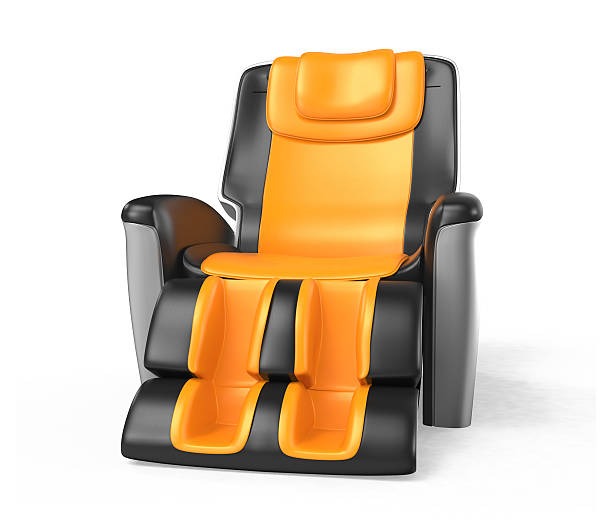
The integration of massage chairs into daily routines has become increasingly popular as people seek convenient ways to promote relaxation and alleviate stress. While the immediate benefits of using a massage chair-such as reduced muscle tension, improved circulation, and temporary pain relief-are well recognized, the question remains whether these devices contribute meaningfully to long-term wellness habits.
Massage chairs offer a form of passive therapy that can complement an active lifestyle. Regular use may encourage individuals to prioritize self-care by setting aside time for relaxation amid busy schedules. This consistent practice can foster mindfulness and reduce chronic stress levels, which are often linked to various health issues such as hypertension, anxiety, and poor sleep quality. By providing a structured opportunity for rest and recovery, massage chairs might indirectly support healthier habits over time.
Physiologically, massage stimulates blood flow and promotes lymphatic drainage, which helps in detoxification processes within the body. When used regularly alongside other wellness practices like exercise and balanced nutrition, this can enhance overall physical well-being. For people with sedentary lifestyles or those who engage in repetitive movements that cause muscle strain, incorporating massage chair reviews sessions could mitigate discomfort that might otherwise discourage physical activity. In this way, the device serves not only as a tool for relaxation but also as a preventive measure against injuries or chronic conditions stemming from muscular imbalances.
However, it is important to recognize that relying solely on massage chairs without addressing broader lifestyle factors may limit their effectiveness in achieving long-term wellness goals. True health improvements require holistic approaches including regular physical exercise, proper diet, sufficient sleep hygiene, mental health care practices such as meditation or counseling-and social engagement. Massage chairs should be viewed as one component within this larger framework rather than a standalone solution.
Another consideration is individual variability; some users may experience significant relief and motivation from routine massages while others might find minimal impact on their overall wellness trajectory. Additionally, excessive dependence on passive therapies could potentially reduce personal initiative toward more active forms of self-care if not balanced appropriately.
In conclusion, massage chairs have the potential to support long-term wellness habits when integrated thoughtfully into comprehensive health regimens. They encourage moments of calmness and bodily restoration that contribute positively to mental and physical states over time. Nonetheless, optimal results arise when their use complements-not replaces-active efforts toward maintaining healthy behaviors across multiple dimensions of life.